Feeding Birds
Here's What To Do
Show your child pictures of birds. Ask, “What do you think birds eat?”
Point to each bird and say what they eat. For example, “Robins eat worms and berries. Sparrows like seeds.”
Talk about how birds eat different things. Ask, “What food do you think this bird might like?”
Help your child put birdseed or fruit on a plate or bird feeder. Say, “Let’s put this here and watch to see which birds come to eat!”
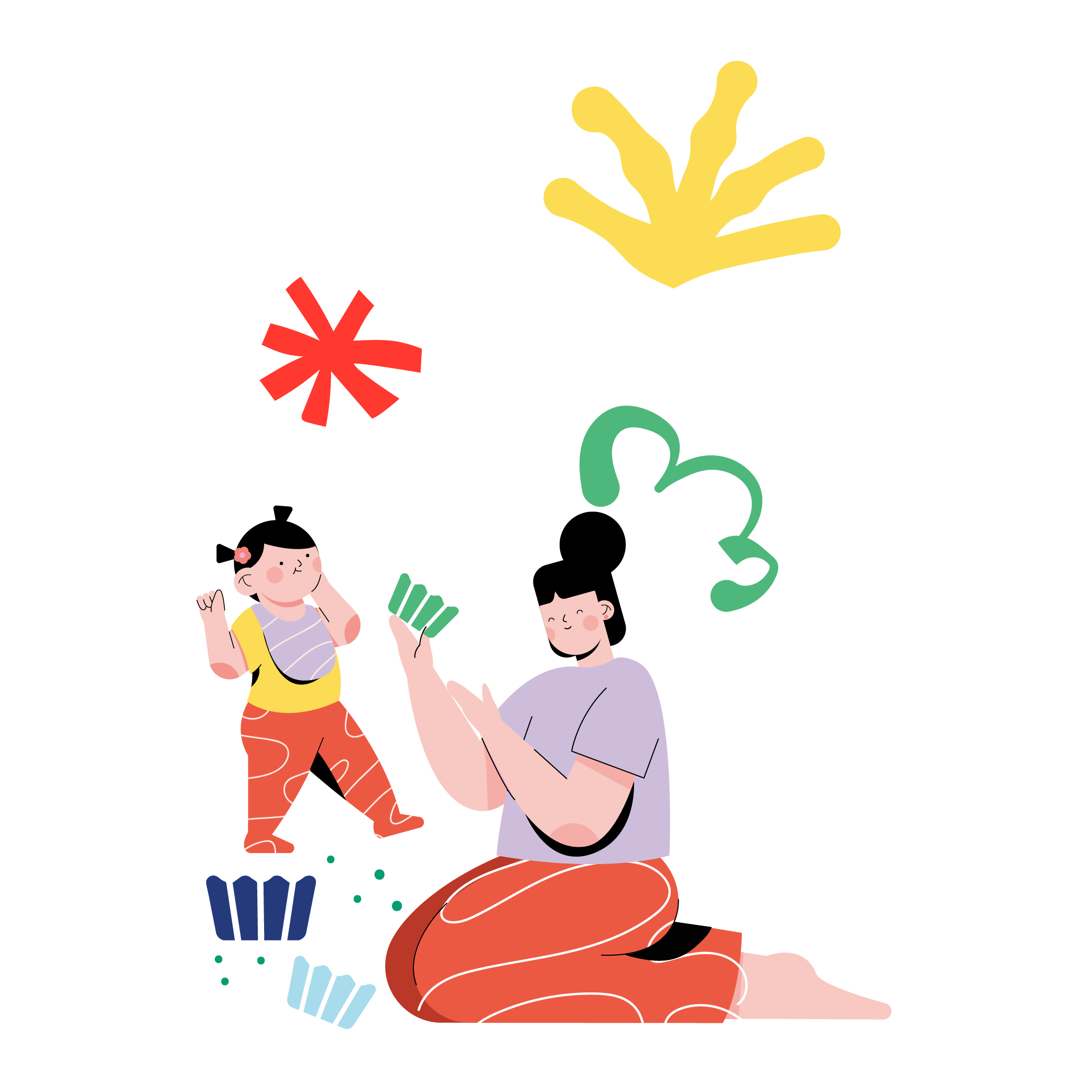
Put PEER Into Action
Pause:
- Give your child a high five and review the rules for going outdoors.
Engage:
- “What do you think would happen if a bird didn’t get its favorite food?”
- “Why do you think some birds eat fruit and others eat seeds?”
Encourage:
- Let your child prepare the plate or bird feeder on their own, with help from you as needed.
- “I love how you’re thinking about what birds need to eat to stay healthy!”
Reflect:
- “How did it feel to make a plate of food for the birds to eat?”
Not quite ready?
If your child is still learning, simply introduce a few birds and their favorite foods. You can point to pictures and make simple observations together.
Ready for more?
Talk about how different birds live in different places and how their food changes based on their environment. For example, some birds eat fish if they live near water.
As your child masters this skill...
Begin to understand that different birds eat different foods based on what they need to survive and where they live.