


Feed the Toys
Here's What To Do
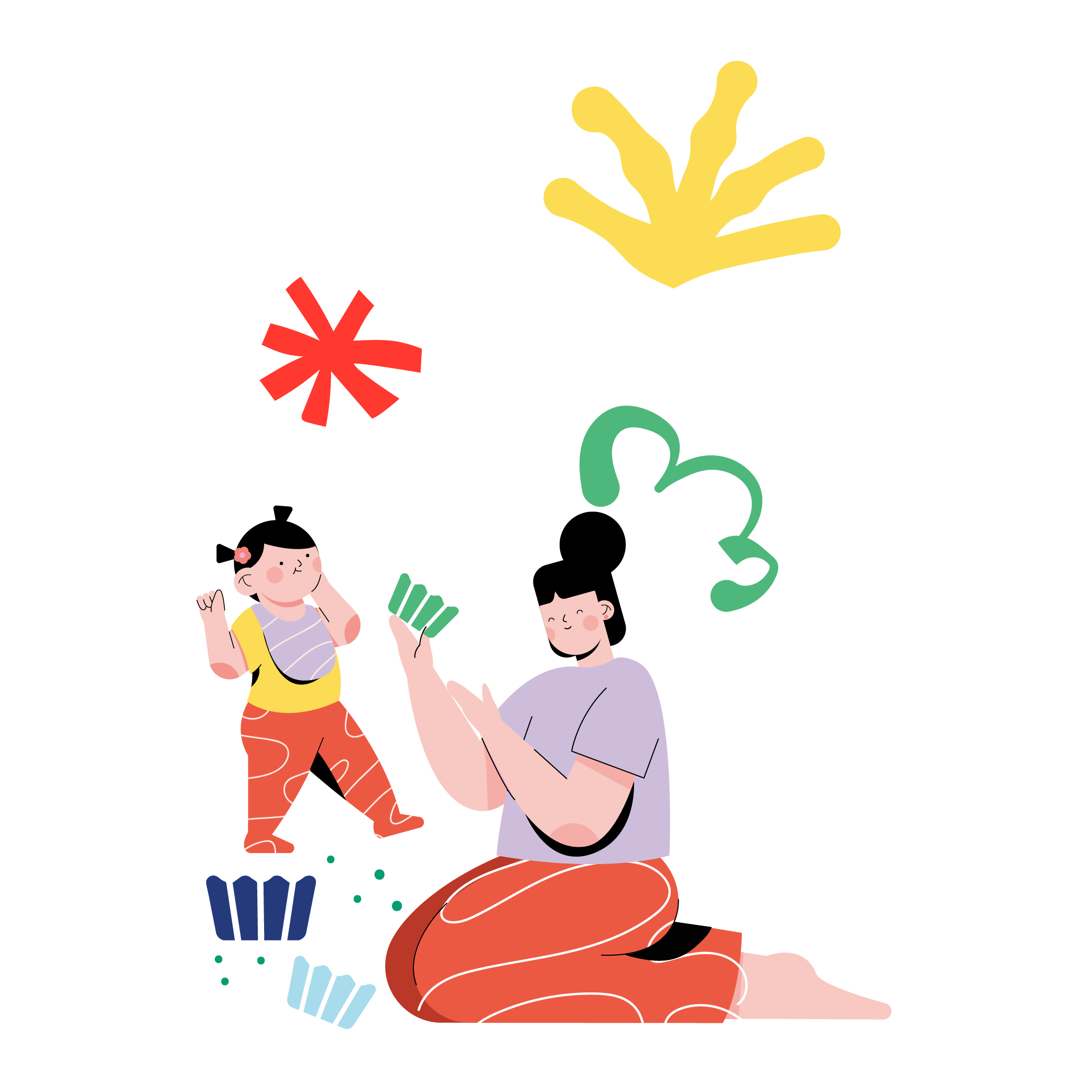
While you’re pretend playing with your child, include materials that encourage them to practice eating skills and noticing cues about fullness, by feeding their toys.
For example, they can feed their doll with a bottle, or feed the stuffed animals pretend food using a spoon. Model this by feeding toys as well.
Ask them to think about how much food the toy might need, and how they will know when they’ve had enough.
You can also involve your child in feeding the family pets, and in deciding how much food to prepare and serve for family meals.
Put PEER Into Action
Pause:
- Gather some utensils and dishes to use to feed the toys with your child to get ready to do this activity. Is everything in place? Great, you’re ready to begin!
Engage:
- “I think the doll might be hungry, she hasn’t eaten since breakfast.”
- “How much ___ do you think I should feed our pet rhino?”
Encourage:
- While you’re pretending to feed toys, describe what you’re doing and what cues you “notice” to help your child understand how to tell when their body is full or hungry.
- “This doll is pushing the bottle away, their stomach probably feels full. They don’t want more milk.”
Reflect:
- “How does your stomach feel when you are full?”
Not quite ready?
Focus on specific areas of need for your child as you describe what you’re doing while feeding a toy. For example, if your child doesn’t like to eat breakfast you might say, “This lion is so excited to eat his breakfast. He knows it helps him stay strong all day long, yum.”
Ready for more?
Whild you’re feeding different toys, ask questions to help your child compare how much food different toys or people might need based on their size. “Would the huge dinosaur need more food or less food than the tiny puppy?”
As your child masters this skill...
They will express needs and satisfaction for food independently.