


Stop & Go!
Here's What To Do
Play a stop and go game with your child. Say, “Let’s run (or walk) together!” Hold hands or move side by side. Keep your tone fun and playful.
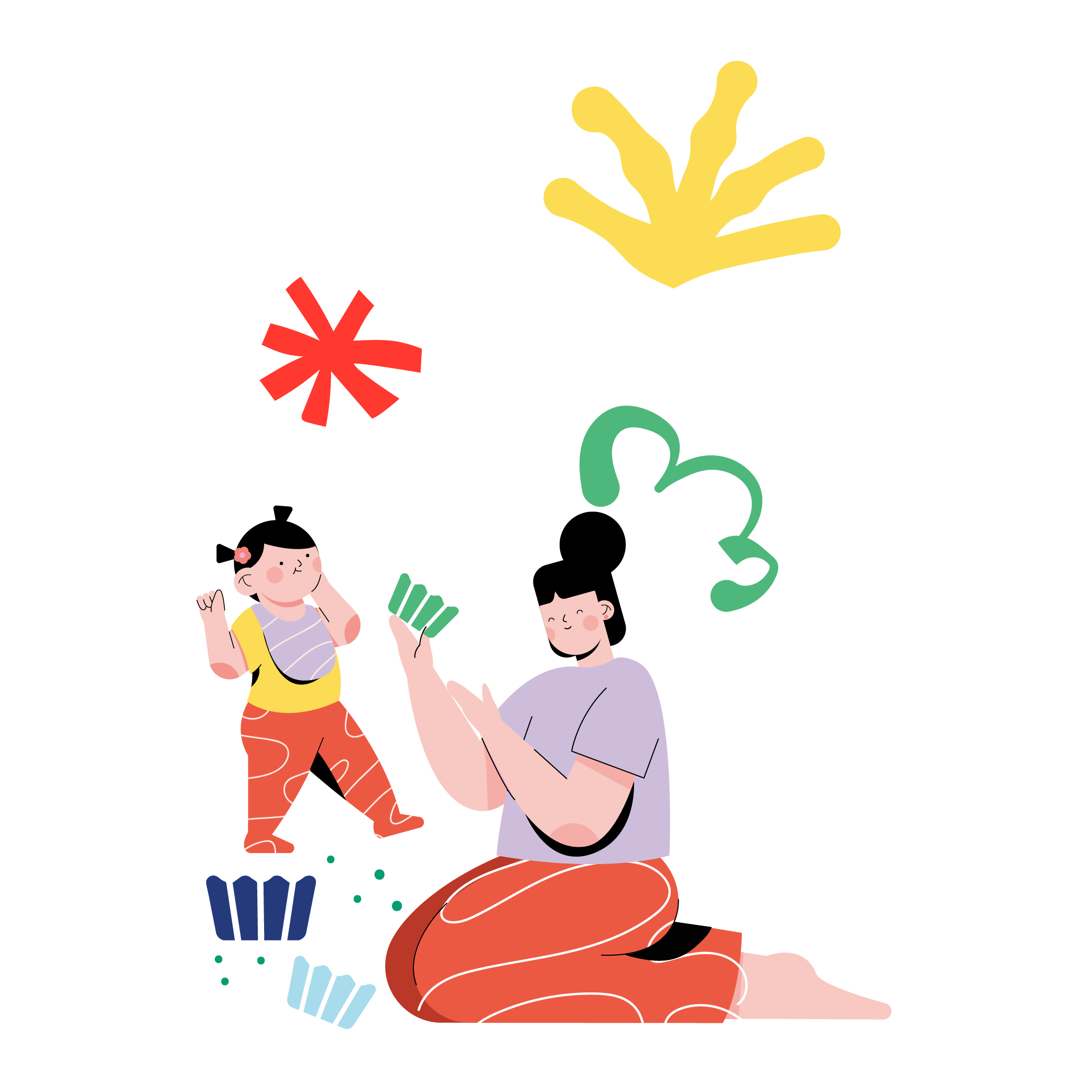
Suddenly say, “Stop!” and hold up your hand (or show the red paper). Model stopping your body and encourage your child to do the same.
When they stop, say, “Wow! You stopped when I said stop! Now, let’s wait… (pause a few seconds). Okay, go!” Then start moving again.
Try using “Wait” before opening a door or stepping outside. Say, “Wait, let’s check if it’s safe,” then continue together.
Put PEER Into Action
Pause:
- Find a quiet place. Smile warmly and give your child a hug.
Engage:
- “What do we do when we hear ‘Stop’?”
- “Can you show me how you freeze your body when I say stop?”
Encourage:
- “You listened so well! You stopped just like I did!”
- “Waiting can be hard, but you did it! You are learning to follow directions.”
Reflect:
- “Did you like playing our stop-and-go game?”
Not quite ready?
Hold your child’s hand and gently stop their movement when you say “Stop.” Use playful sounds like “Freeze!” to make it fun.
Ready for more?
Let your child be the leader! Have them say “Stop” and “Go” while you follow their cues.

As your child masters this skill...
Pause and wait in real-life situations, like before crossing the street or starting a new activity.